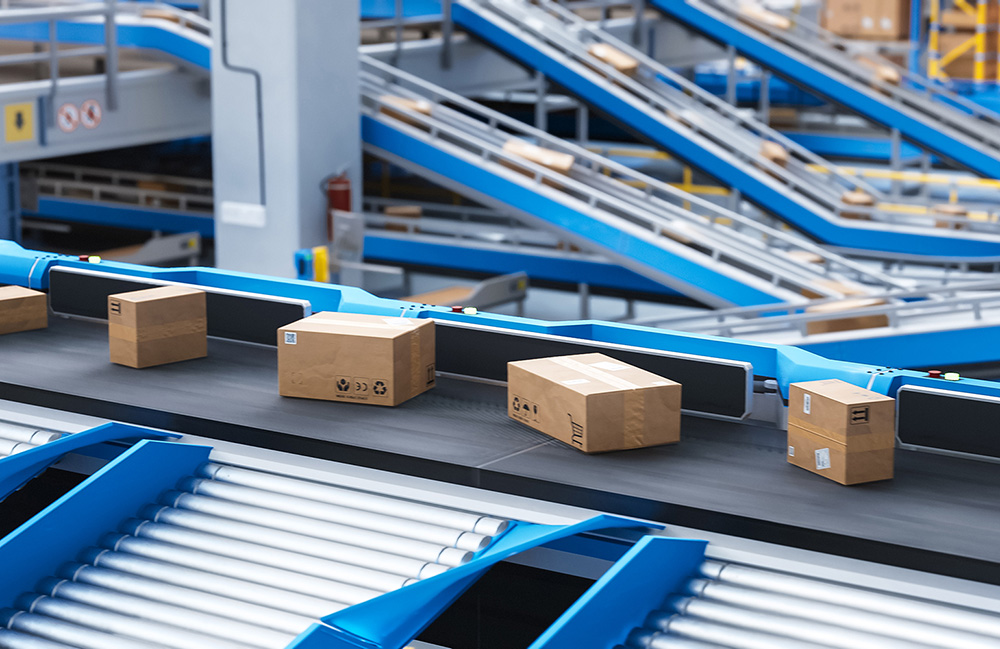
Many of the biggest challenges in automation don’t come from component performance, but from how systems are put together. Source: Kollmorgen
When machine builders are specifying motion systems, it is easy to get caught up on the numbers. Torque, speed, power density, and price are all clear, measurable factors, and they provide a straightforward way to compare components. But in modern machine design, these figures rarely tell the full story.
In practice, many of the biggest challenges in automation do not come from component performance, but from how systems are put together. Integration, commissioning, and troubleshooting often determine whether a machine is delivered on time and performs as intended.
As a result, choosing the right motion architecture is less about selecting the most capable individual components and more about understanding how the entire system will behave in use.
The hidden cost of engineering time
One of the most overlooked factors in motion system design is engineering time. When comparing components, it is common to focus on upfront cost, which can make a lower-cost drive or controller appear attractive when viewed in isolation. However, this approach can lead to unintended consequences if it increases the time required to integrate and commission the system.
Remember that every additional hour spent configuring communication, writing custom code, or diagnosing unexpected behavior delays machine startup. In turn, this delays production and increases overall project cost. In many cases, the cost of lost time can massively outweigh any savings made on hardware.
For this reason, time to commission should be considered alongside traditional performance metrics. Systems that are easier to configure, faster to debug, and more intuitive to operate can deliver significant value, even if their initial purchase price is higher.
Integration over individual components
Modern motion systems are rarely built from a single device. A typical machine may include controllers, drives, motors, I/O, and human-machine interfaces, all of which must communicate reliably.
When these components are sourced from different vendors, integration can become a significant task. Differences in communication protocols, configuration methods, and software environments often require additional engineering effort to resolve. Even with increasing standardization, such as the adoption of protocols like OPC UA, achieving seamless interoperability is not always straightforward.
This is why system-level thinking is becoming more important. Rather than selecting components purely on individual specifications, engineers must consider how easily they can be combined into a functioning whole.
Reducing the effort required to make devices communicate and behave as expected can have a direct effect on development time and long-term reliability – again generating significant savings in production and reduced maintenance costs.
The role of software and tools in motion control
As motion systems become more capable, software plays an increasingly central role in their performance. The engineering environment used to configure and program a system can be as important as the hardware itself.
Three areas are particularly relevant. The first is configuration. Ideally, devices should be quick to connect and simple to set up, with minimal manual intervention.
The second is programming flexibility. Support for widely used standards, such as IEC 61131 languages, allows engineers to work in a way that suits their application and experience.
The third is diagnostics. Effective troubleshooting tools make it easier to identify and resolve issues during commissioning and operation.
On a practical level, these tools can also help to limit the impact of any shortfalls in access to skilled personnel. The reality of modern business conditions means many facilities no longer have large teams of experienced engineers on hand to support complex systems. As a result, there is growing value in specifying solutions that are easier to understand and maintain, and that are well-supported by their supplier.
 Register now and help us celebrate 20 years of RoboBusiness!
A broader view of motion systems
Taken together, these considerations point to a broader way of thinking about motion control. Rather than focusing solely on component specifications, engineers are increasingly evaluating how systems perform across their entire lifecycle, from initial setup through to ongoing operation.
Integrated platforms, where controllers, drives, and software tools are designed to work together, can help reduce complexity and shorten development cycles. Suppliers such as Kollmorgen, part of Regal Rexnord, have responded to this shift by developing motion solutions that emphasize ease of integration and usability alongside performance.
For machine builders, the challenge is to look beyond the spec sheet and consider how their design choices will affect the time, effort, and expertise required to deliver a working system. In modern automation, the most effective solutions are not always the most powerful on paper, but those that enable machines to be built, commissioned, and maintained with confidence.
 About the author

Allen Tubbs is a product manager at Kollmorgen. Before joining the company, Tubbs spent 19 years at Bosch Rexroth, where he served as a senior research and development engineer of controls, product manager, and application engineer.
Tell Us What You Think!